


Bloomington Public Schools wants voters to know about one item on the Nov. 3 ballot. Minnesota is voting on a constitutional amendment that would change how the state's Permanent School Fund pays out to public school districts. The district posted a short explainer video about it on X.
 Bloomington Public Schools@bps271
In the Nov. 3 election, Minnesota voters will consider a constitutional amendment to modernize how money from the Minnesota Permanent School fund is distributed to public school districts. Watch the video or visit https://t.co/Pbi4fKZNZW to learn more.10d ago
The fund goes back to statehood. Minnesota set aside land to pay for public education, and about 2.5 million acres of it are left. Mining, timber and leases on that land bring in money, and the fund now holds about $2.3 billion, the district said. The constitution says the principal can never be spent. Schools only get the earnings.
That's the part the amendment would change. Right now schools get only the fund's interest and dividends, which works out to about 2% to 2.5% a year, paid out twice a year, according to the district. Under the amendment, schools would get 4.5% of the fund's average market value over the previous 3 years. The district estimates Bloomington's share would grow by about $300,000 a year.
Statewide, the change works out to about $33 more per student, and income and property taxes wouldn't go up. Duluth Superintendent John Magas pointed out that his district's roughly $280,000 increase doesn't come close to its $12 million budget gap.
The 4.5% rate came from a state task force. Its research found that an endowment can keep paying out forever if it distributes between 4% and 5% a year. The measure had bipartisan support at the Legislature, and Sen. Mary Kunesh was one of the lawmakers who introduced it.
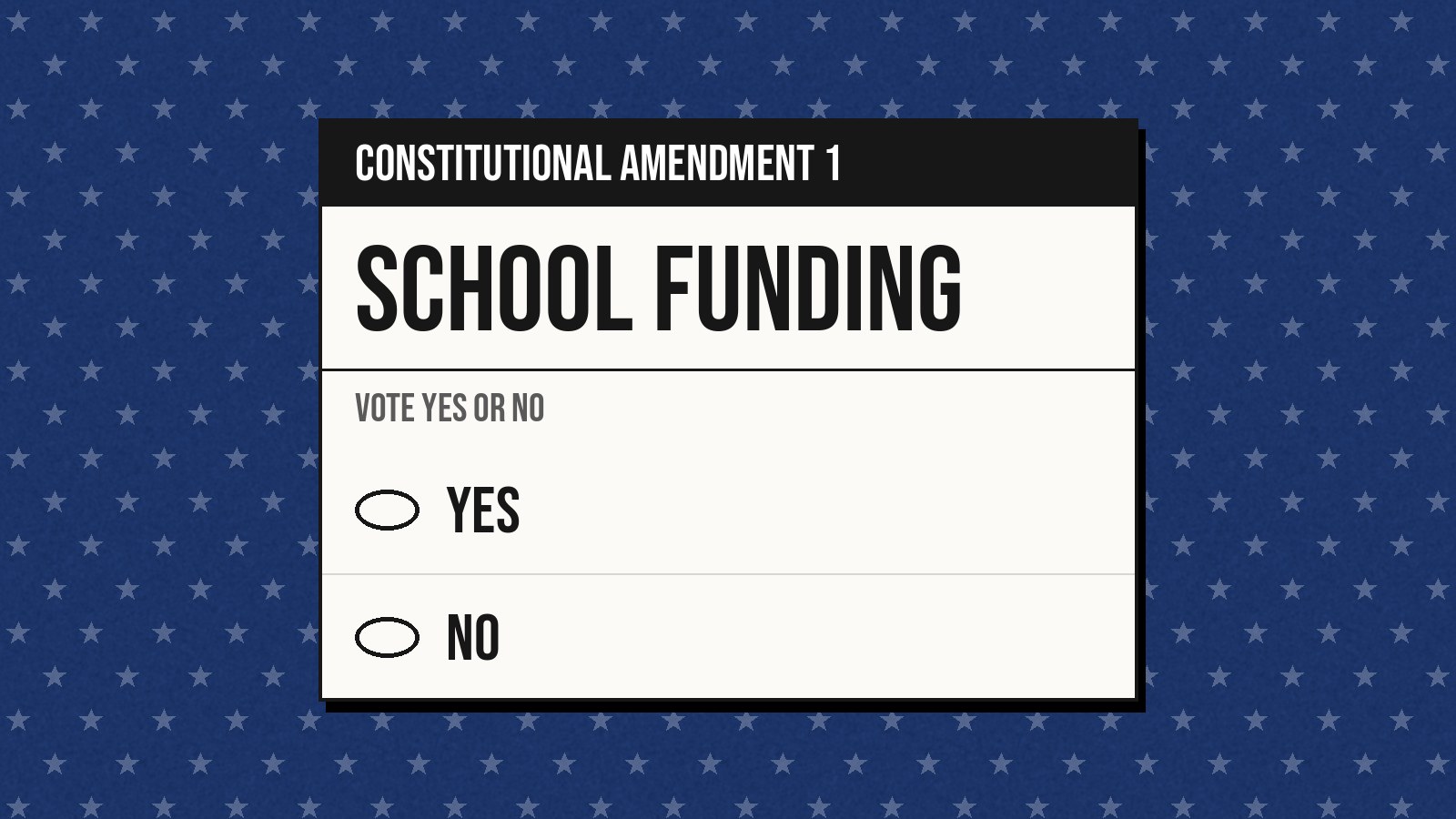
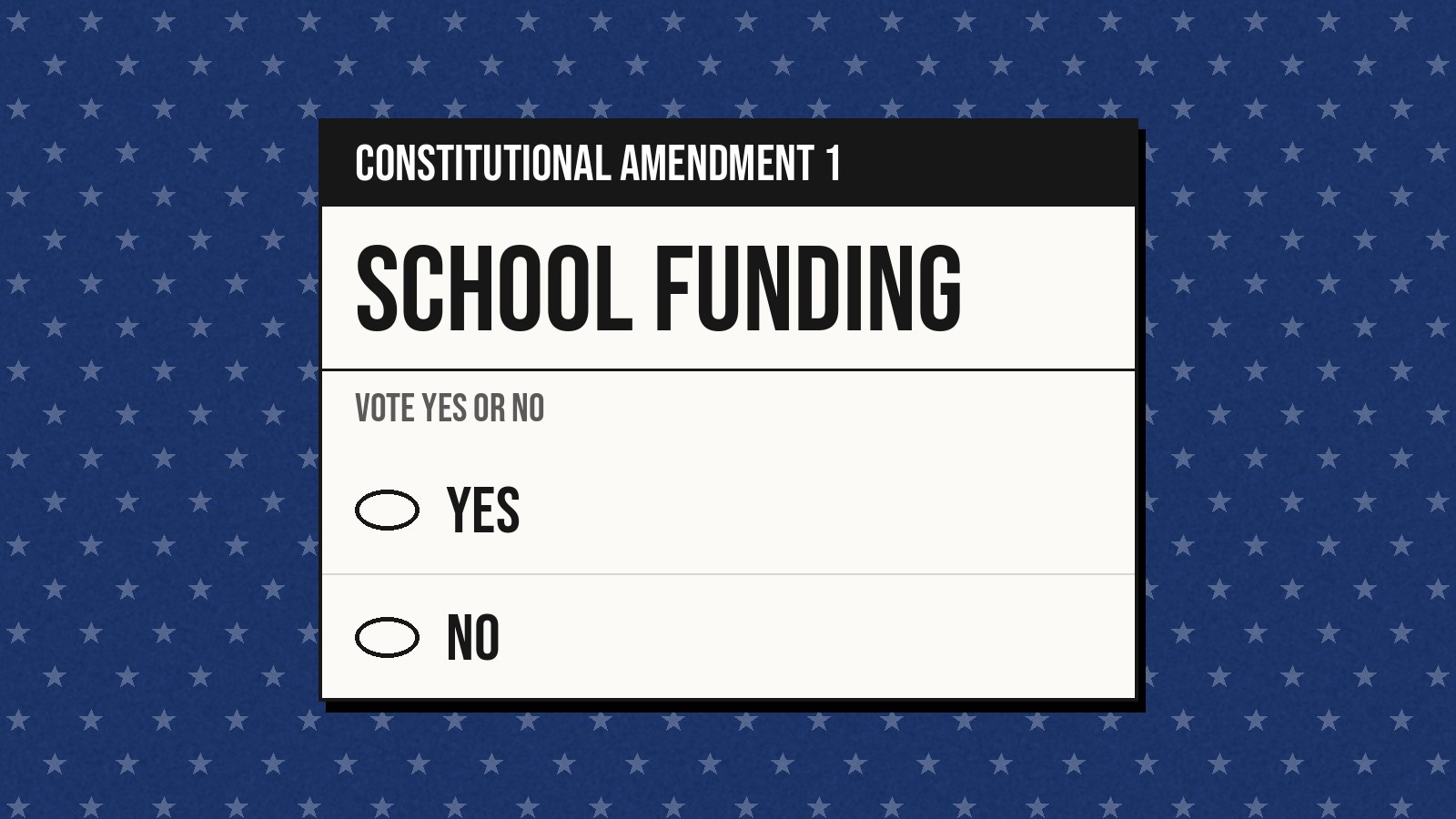
Here's the exact question you'll see: "Shall the Minnesota Constitution be amended to increase the funding going to all school districts from the permanent school fund, which is a fund that supports school districts without raising individual income or property taxes, effective July 1, 2027?" If it passes, the new formula would start on that date.
One catch: a constitutional amendment needs a majority of everyone who votes in the election, not just a majority of the people who answer the question. That's why the district says a blank ballot on the amendment counts as a no. Early voting started Sept. 18 and runs through Nov. 2, and Election Day is Tuesday, Nov. 3. The district's explainer page has more background.