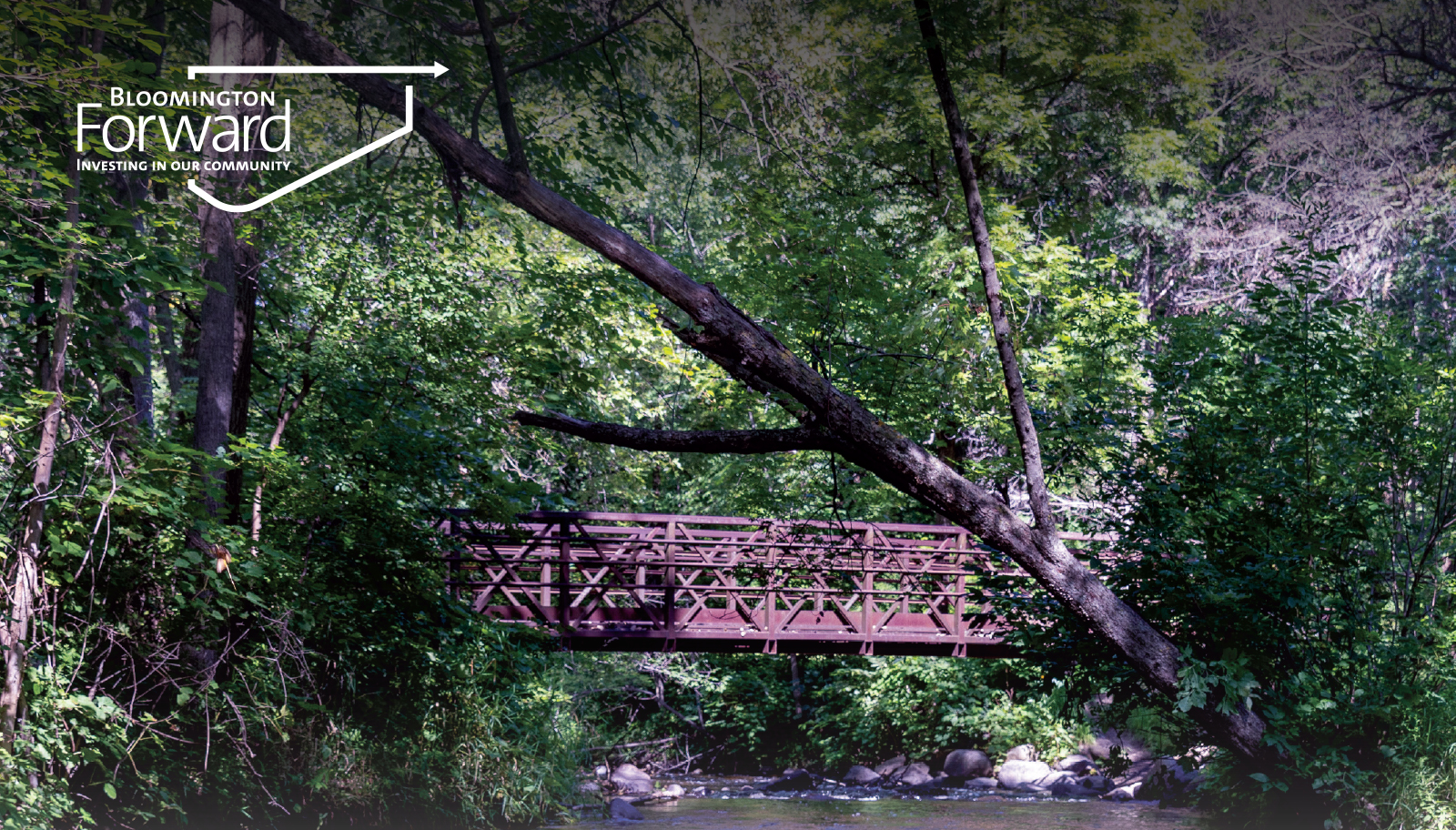


If you've tried to walk the Nine Mile Creek trails this fall, you already know they're closed. Every trail access point in the corridor shut on Sept. 7, the city said, and will stay closed through 2027. Crews are working on the creek corridor, getting the Moir Park shelter building ready for removal and doing natural resource restoration. The city expects major construction to wrap up in fall 2027.
Before construction could start, the project had to get past the City Council. A petition filed ahead of the council's Aug. 3 meeting asked for a new environmental assessment. The oak savanna plan would remove mature trees from about 40 acres of the 259-acre corridor. The council rejected the petition 5-1. It then voted 5-1 to give Veit & Company an $11.7 million contract for the corridor work, plus a $1.1 million allowance for changes. A $4.6 million contract with Resource Environmental Solutions for managing the lower valley passed without opposition. Councilmember Victor Rivas abstained on the lower valley contract. He argued that removing mature trees works against the city's climate resilience goals. "This is not a minor side effect," Rivas said. Mayor Tim Busse said the city could have been more open about the details: "That's on us, and we could do a better job next time."
Here's what the city is trying to bring back. Oak savanna has big, widely spaced oaks with native grasses and wildflowers underneath, and the city calls it one of Minnesota's rarest ecosystems. Right now the canopy along the creek is too dense for grasses, wildflowers and young oaks to get enough sun. Crews will selectively remove invasive and fast-growing trees, then plant 150 to 200 trees around Moir and Harrison parks. "This is what restoration looks like. It looks worse before it looks better, but it will look better and it will be healthier," said Dave Hanson, the city's assistant parks and recreation director. Deric Deuschle, an aquatic ecologist with consultant SEH, said the target isn't a monoculture: "We don't want it to be an oaks-only type of habitat, but an oak-majority type of habitat."
Parks and Recreation leads the project with SEH and the Nine Mile Creek Watershed District. The money comes from the half-cent local sales tax voters approved in November 2023. The project also covers 131 acres of woodland and wetland restoration, re-meandering the creek with boardwalks, bridge replacements, and a new playground and gathering space with restrooms.
Downtown, the city's tree work is going in the other direction. This spring, Park Maintenance crews planted 9 trees at Civic Plaza: chinkapin oak, black gum and northern pecan. The city said all 3 species have traditionally grown in warmer regions to the south and east. The idea is to hedge the city's canopy as the climate changes. "A diverse urban forest is more resilient to pests, diseases and changing weather conditions," the city said.